Air Sealing
Stop wasting energy through hidden gaps and cracks. Air sealing makes your home more comfortable and efficient year-round.
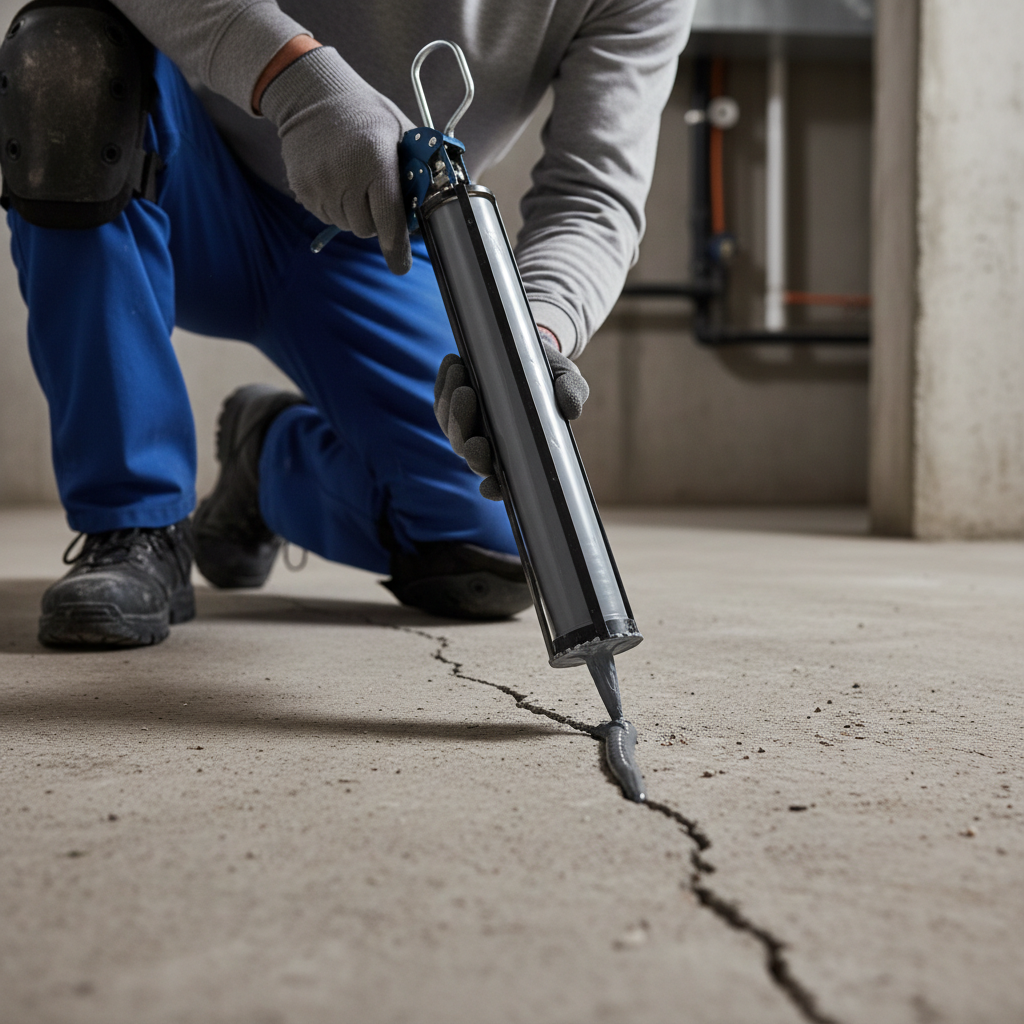
What Is Air Sealing?
Air leaks are one of the biggest sources of energy waste in homes — accounting for up to 30% of heating and cooling costs. Air sealing targets every gap, crack, and penetration in your home's envelope to stop conditioned air from escaping and outside air from creeping in.
Our technicians use professional diagnostic tools including blower door tests to identify and prioritize leakage areas, then apply the right sealing materials — caulk, foam, weatherstripping, or rigid materials — for each location.
Common Questions
What is air sealing?
Air sealing is the process of identifying and plugging gaps, cracks, and openings in your home's envelope — the barrier between conditioned indoor air and the outside. This includes areas around windows, doors, electrical outlets, plumbing penetrations, and attic hatches.
How do I know if my home needs air sealing?
Signs include drafts near windows or doors, uneven room temperatures, high energy bills, and visible gaps around outlets or light fixtures. A blower door test during our free assessment can precisely measure air leakage.
Does air sealing work with my existing insulation?
Yes! Air sealing and insulation work together. Sealing air leaks first and then insulating is the most effective approach to improving your home's efficiency.
Will air sealing make my home too airtight?
Modern air sealing is done carefully to maintain healthy indoor air quality. We ensure proper ventilation is in place so your home breathes safely while staying efficient.
Floor Cracks — Before & After
Small cracks along floors and wall junctions are a common source of air leakage, moisture, and even radon entry.
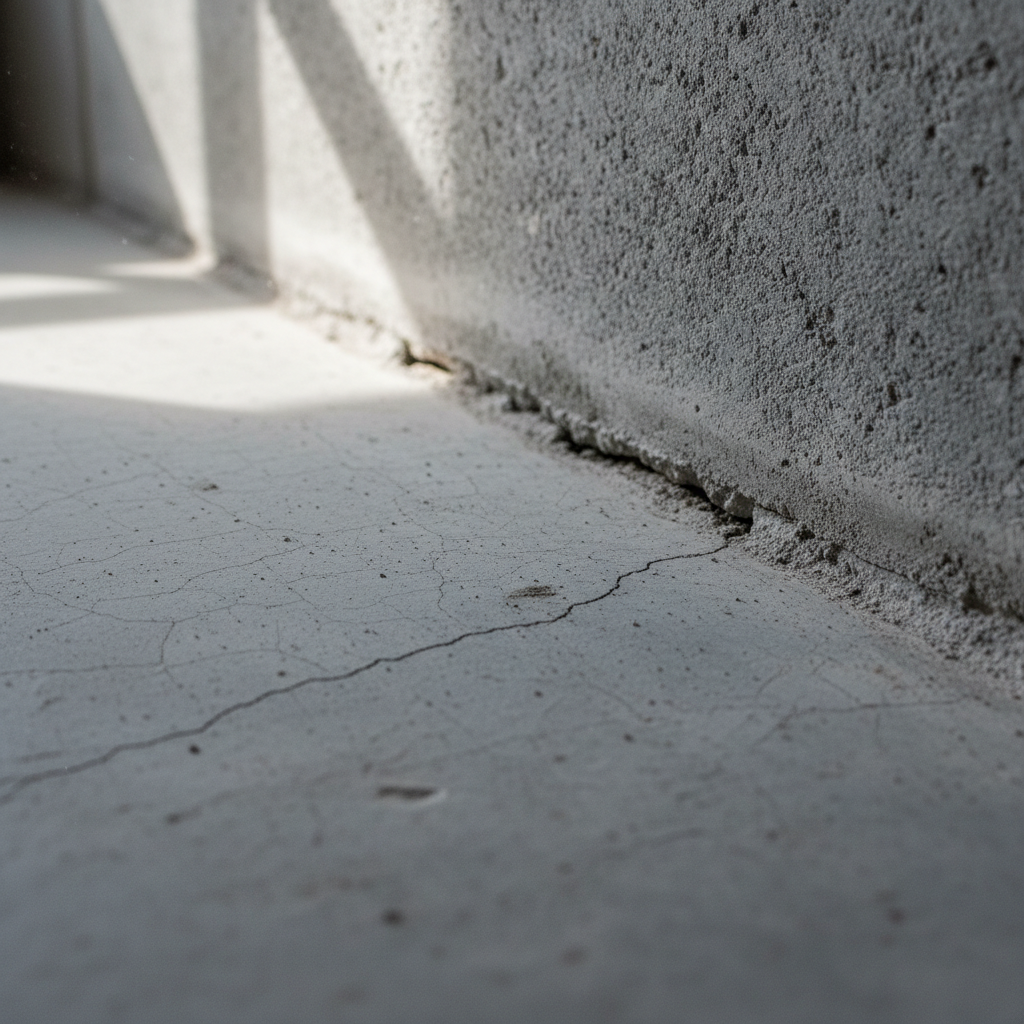
Unsealed Cracks
Small gaps and cracks allowing cold air, moisture, and radon to seep in undetected.
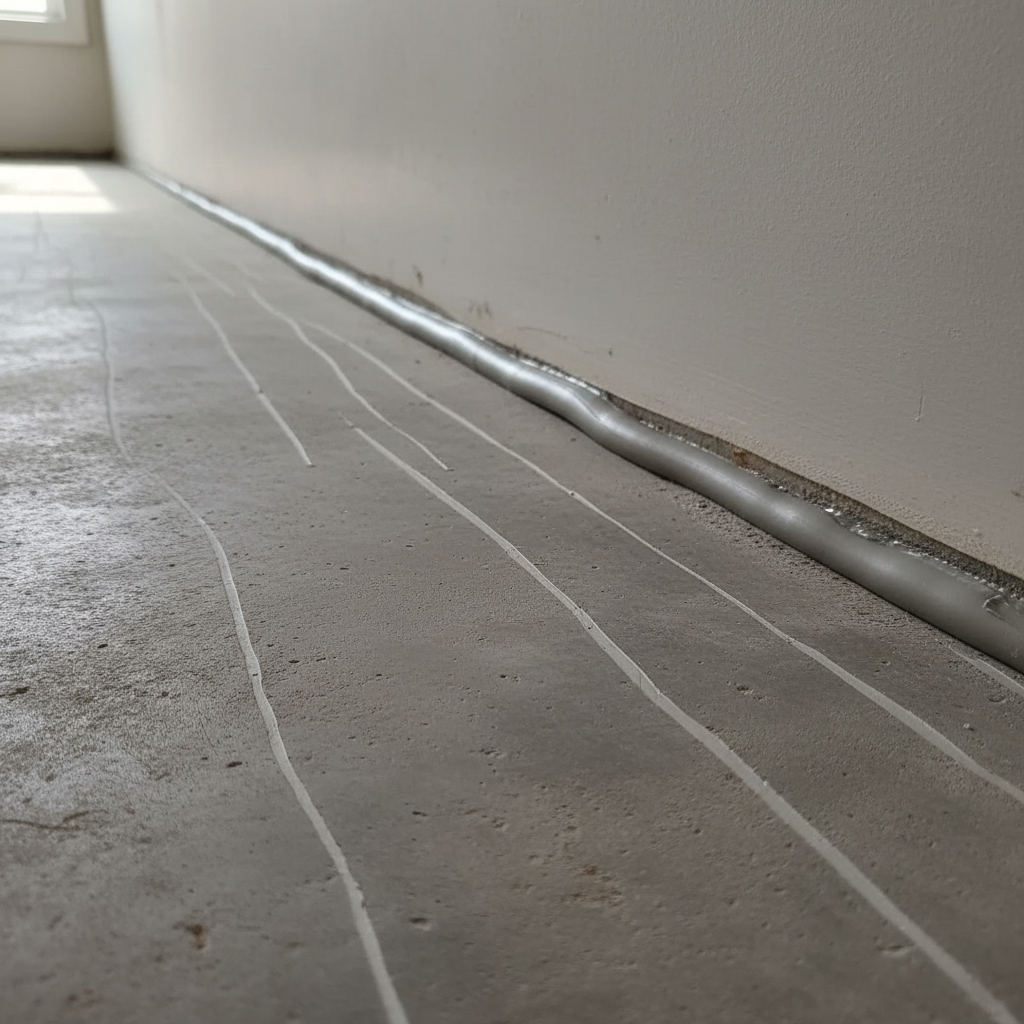
Professionally Sealed
Every crack filled and sealed — airtight, moisture-blocked, and radon-resistant.